

Cervical Sprain / Strain
Expert care for Cervical Sprain / Strain at Gentle Care Chiropractic in West Linn, Oregon.
Understanding Cervical Sprain / Strain
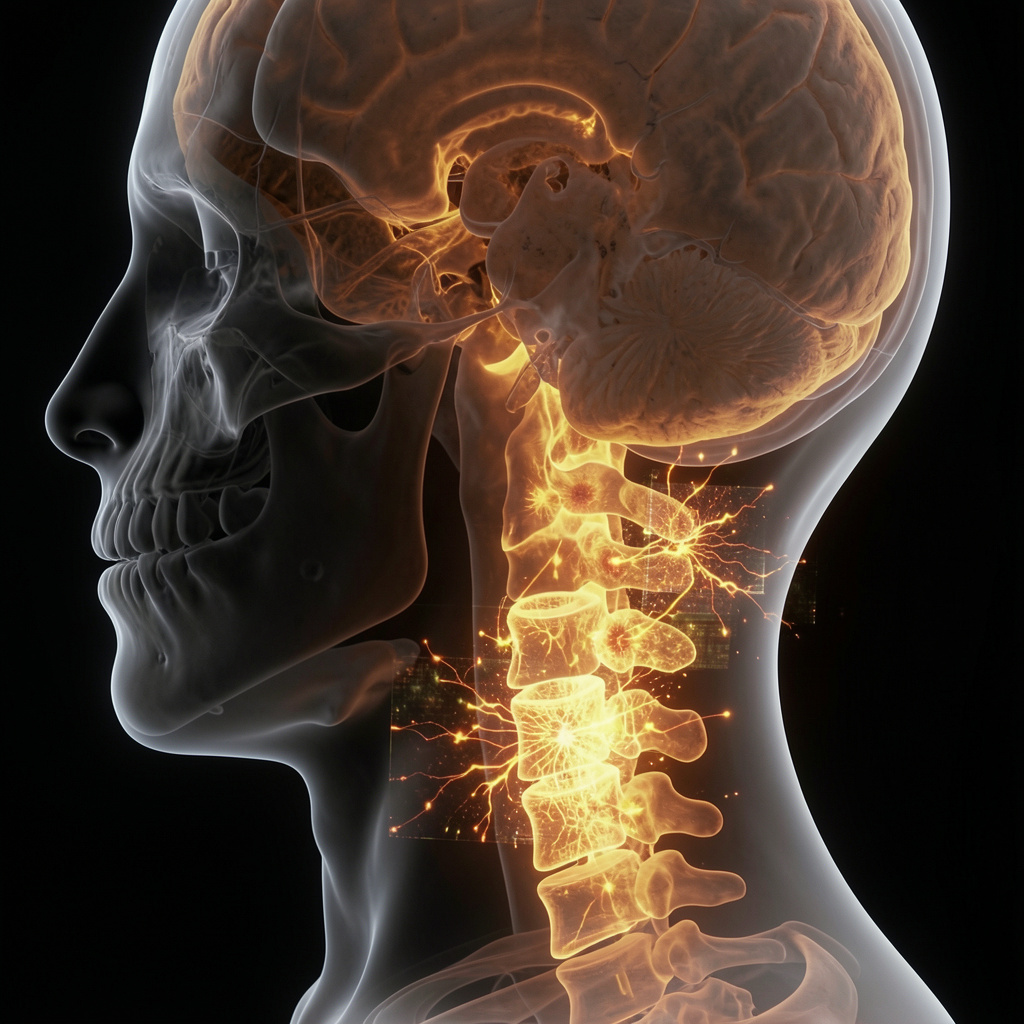
Also known as: Neck Sprain, Neck Strain, Pulled Neck Muscle, Soft-Tissue Neck Injury Cervical sprain and strain are closely related but distinct diagnoses: a cervical sprain is a stretch or tear of the ligaments of the neck — the alar, transverse, and facet capsular ligaments — while a cervical strain involves the muscles or tendons, most commonly the sternocleidomastoid (the large muscle running from behind the ear to the collarbone), scalenes, upper trapezius, and levator scapulae. Together they represent the most common diagnosis after a motor vehicle accident. Unlike broader whiplash-associated disorder, a sprain/strain diagnosis indicates injury localized to soft tissue, without nerve involvement. Most cases respond well to structured conservative care — but they have a real potential to become chronic when undertreated.
You'll describe aching or sharp neck pain that worsens with movement, a tight band across the shoulders, and stiffness on waking. Muscle spasm is often palpable — the tissue feels rope-like or tender to touch. Unlike radiculopathy, there's no arm pain, tingling, or weakness. Symptoms frequently appear the morning after a crash rather than immediately, because tissue inflammation accumulates overnight.
Side-impact crashes are particularly likely to strain the scalenes and sternocleidomastoid through lateral flexion forces. Even low-speed fender-benders can overload these tissues when the occupant is unaware of the impending collision and can't brace — the unprepared state actually increases injury risk. Care begins with a careful exam to rule out facet, disc, or nerve injury, followed by thorough documentation. Treatment typically includes graded joint mobilization or gentle manipulation, soft-tissue therapy, early isometric exercises that progress to isotonic strengthening as pain allows, and postural correction.
We communicate with your primary care provider and attorney with clear functional progress notes. Most neck sprain/strain patients feel substantial improvement within four to eight weeks of consistent care. We may recommend: diversified adjustments, Activator, myofascial release, Graston/IASTM, trigger point therapy, low-level laser, corrective exercise Seek immediate care if: You develop new arm weakness, numbness, severe or worsening headache, or any sense of cervical instability — these symptoms are not typical of a simple sprain/strain and warrant urgent imaging.
How We Can Help
At Gentle Care Chiropractic, we take a multi-disciplinary approach — addressing the root cause of your condition, not just the symptoms.
Chiropractic Adjustments
Precise spinal and joint corrections to restore alignment, relieve nerve pressure, and reduce pain — manual or instrument-assisted based on your needs.
Massage Therapy
Therapeutic massage releases muscle tension, improves circulation to injured tissue, and works synergistically with adjustments for faster recovery.
Physical Rehabilitation
Customized exercise programs strengthen supporting muscles, restore range of motion, and help prevent future flare-ups.
Laser Therapy
Cold laser therapy uses targeted light wavelengths to stimulate cellular healing, reduce inflammation, and relieve deep tissue pain without heat or discomfort.
Electrical Stimulation
E-stim therapy reduces pain and muscle spasm, improves circulation, and supports the healing process — especially effective for acute injuries.
Personalized Care Plan
Every patient is different. We combine these therapies in a plan tailored to your diagnosis, goals, and lifestyle for the best possible outcome.
Ready to Find Relief?
You don't have to live with Cervical Sprain / Strain. Our team at Gentle Care Chiropractic is here to help you recover and get back to doing what you love.