

Coccydynia
Expert care for Coccydynia at Gentle Care Chiropractic in West Linn, Oregon.
Understanding Coccydynia
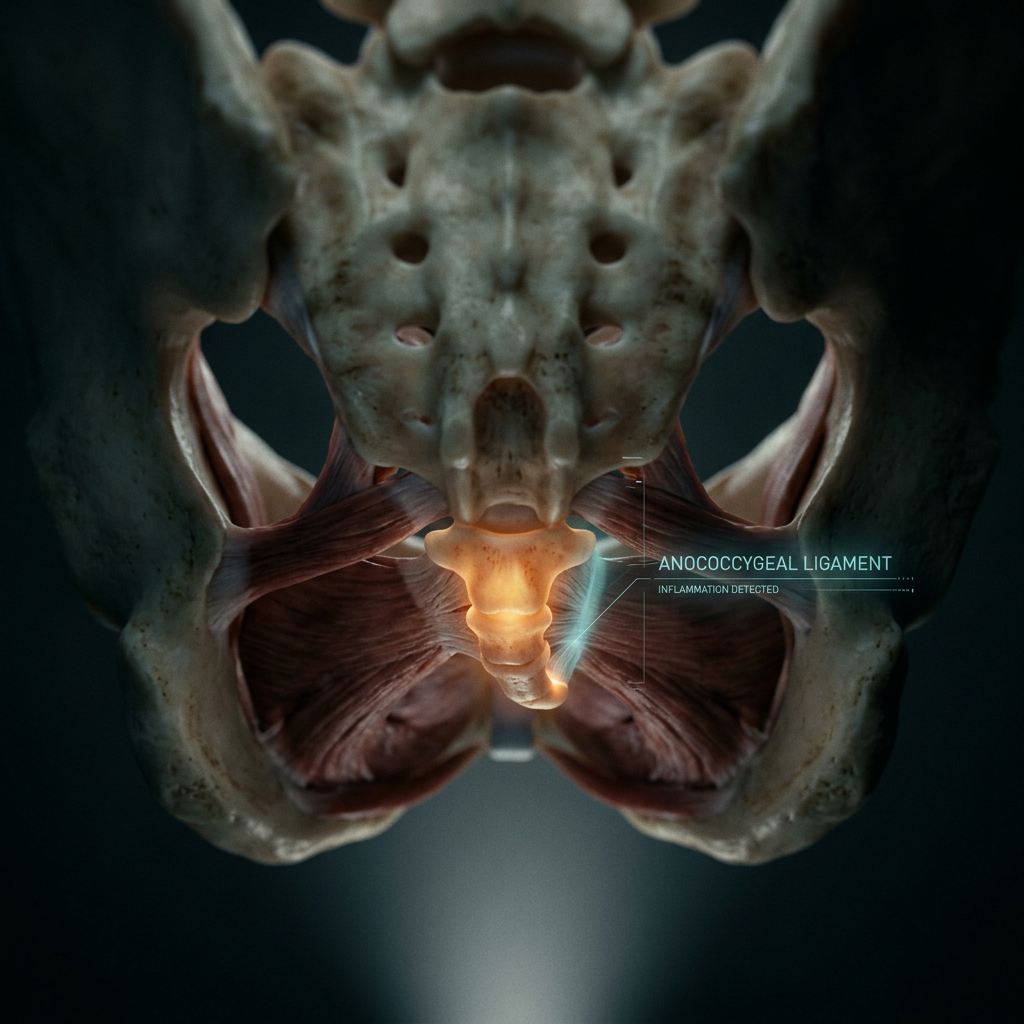
Also known as: Tailbone Pain, Coccyx Pain, Coccygodynia Tailbone pain is more disabling than most people expect before they experience it — and more treatable than most people are told. The coccyx is a small, triangular bone made of three to five fused segments at the very base of the spine. It bears significant load when you sit, particularly when leaning back, and it's an attachment point for multiple pelvic floor muscles and ligaments. When the coccyx or its supporting structures are injured or become hypermobile, the result is a sharp, aching, or burning pain at the base of the spine that can make sitting, driving, and even bowel movements genuinely difficult.
The hallmark symptom is sharp or aching pain directly at the base of the spine that dramatically worsens with sitting — especially on hard surfaces or when reclining. Standing up from a seated position often triggers a distinct jolt of pain; many patients tell me they've started standing rather than sitting whenever possible. Long car rides become something to dread. Some patients notice pain with bowel movements or intercourse.
Lying on your back or side is usually tolerable; soft couches that sink and force a reclining position often become impossible. The most common cause is a direct fall onto the tailbone — from a bike, on ice, at the gym. Coccydynia also develops after vaginal childbirth, from prolonged sitting on hard surfaces (cyclists are at particular risk), or due to a naturally hypermobile coccyx. Obesity, rapid weight loss (which removes natural padding), and an anatomically angled coccyx can predispose someone to chronic irritation.
Coccydynia responds well to targeted chiropractic care when handled gently and with appropriate communication. Depending on your comfort and consent, we may use external coccyx mobilization or, when appropriate, internal coccyx adjustment — a technique that is more specific than it sounds and can be highly effective for restoring coccyx mobility. Pelvic floor soft-tissue work addresses the deep muscles that attach directly to the coccyx. Piriformis and iliopsoas stretching reduces pelvic tension that loads the coccygeal joints.
A donut or wedge cushion for sitting and attention to thoracic mobility (so you're not forced to sit in end-range lumbar flexion) are practical first steps. Most patients improve meaningfully within several weeks. We may recommend: external coccyx mobilization, internal coccyx adjustment (with consent), pelvic floor soft-tissue therapy, piriformis and iliopsoas stretching, donut or wedge cushion, thoracic mobility work, sitting-posture coaching Seek immediate care if: Tailbone pain follows a significant fall and you cannot bear weight, or if pain is accompanied by fever, numbness in the saddle region, or loss of bowel or bladder control — these warrant urgent medical evaluation.
How We Can Help
At Gentle Care Chiropractic, we take a multi-disciplinary approach — addressing the root cause of your condition, not just the symptoms.
Chiropractic Adjustments
Precise spinal and joint corrections to restore alignment, relieve nerve pressure, and reduce pain — manual or instrument-assisted based on your needs.
Massage Therapy
Therapeutic massage releases muscle tension, improves circulation to injured tissue, and works synergistically with adjustments for faster recovery.
Physical Rehabilitation
Customized exercise programs strengthen supporting muscles, restore range of motion, and help prevent future flare-ups.
Laser Therapy
Cold laser therapy uses targeted light wavelengths to stimulate cellular healing, reduce inflammation, and relieve deep tissue pain without heat or discomfort.
Electrical Stimulation
E-stim therapy reduces pain and muscle spasm, improves circulation, and supports the healing process — especially effective for acute injuries.
Personalized Care Plan
Every patient is different. We combine these therapies in a plan tailored to your diagnosis, goals, and lifestyle for the best possible outcome.
Ready to Find Relief?
You don't have to live with Coccydynia. Our team at Gentle Care Chiropractic is here to help you recover and get back to doing what you love.