

Frozen Shoulder
Expert care for Frozen Shoulder at Gentle Care Chiropractic in West Linn, Oregon.
Understanding Frozen Shoulder
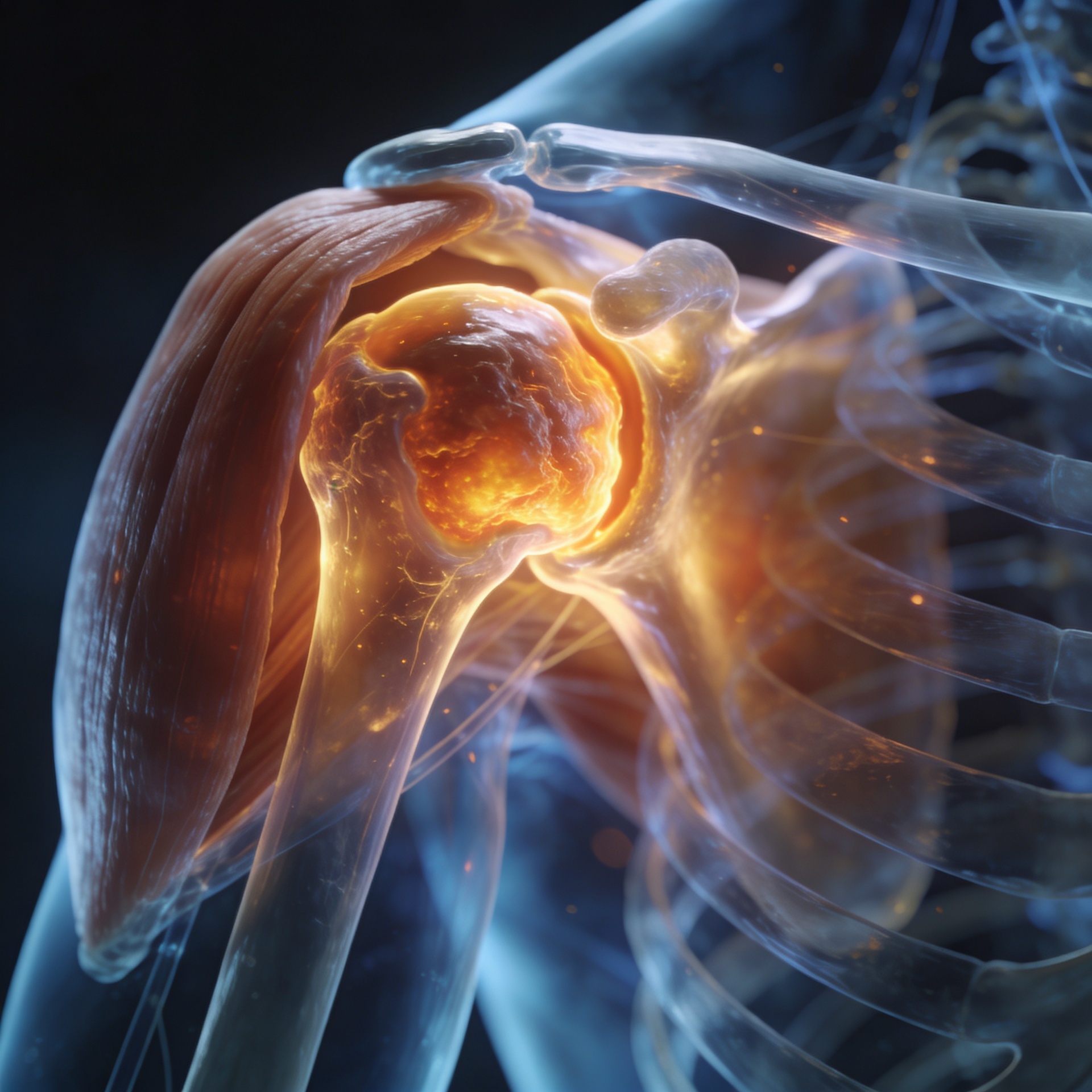
Also known as: Adhesive Capsulitis, Shoulder Contracture Frozen shoulder is misunderstood partly because its name is imprecise. The shoulder doesn't literally freeze — what happens is that the capsule surrounding the joint becomes inflamed, thickened, and contracted, leaving the joint progressively less room to move. The condition classically progresses through three stages: freezing (painful, losing motion), frozen (stiff, less painful), and thawing (motion gradually returns). Untreated, this process can take 12 to 30 months.
With targeted care, we can meaningfully shorten recovery and reduce suffering along the way — particularly in the freezing phase, where intervention has the most impact. External rotation — reaching behind your head or fastening a seatbelt — is usually the most limited direction. Putting on a coat, reaching into a back pocket, or washing your hair becomes difficult. Pain at end-range is typical, and forcing motion makes things worse rather than better.
Adhesive capsulitis most commonly strikes adults aged 40 to 60; diabetes is a major risk factor (up to five times the general population rate), as are thyroid disease and prior shoulder immobilization. During the painful freezing phase, we focus on pain relief and gentle graded oscillatory mobilization — never forcing the capsule, which reliably backfires. Class IV laser helps settle inflammation. As symptoms calm, we progress to capsular stretching, the Niel-Asher technique (a specialized manual sequence with evidence for improving range and reducing pain), and thoracic and cervical adjustments to offload the shoulder.
Home stretching is essential and we'll teach you exactly how to do it without provoking a flare. We co-manage with your physician regarding cortisone injection or hydrodilatation if symptoms are severe and plateaued. We may recommend: mobilization, diversified adjustments, Class IV laser, low-level laser, corrective exercise, massage therapy, trigger point therapy Seek immediate care if: Shoulder stiffness follows a traumatic injury with inability to move the arm, or you have fever, unexplained weight loss, or a history of cancer alongside shoulder symptoms.
How We Can Help
At Gentle Care Chiropractic, we take a multi-disciplinary approach — addressing the root cause of your condition, not just the symptoms.
Chiropractic Adjustments
Precise spinal and joint corrections to restore alignment, relieve nerve pressure, and reduce pain — manual or instrument-assisted based on your needs.
Massage Therapy
Therapeutic massage releases muscle tension, improves circulation to injured tissue, and works synergistically with adjustments for faster recovery.
Physical Rehabilitation
Customized exercise programs strengthen supporting muscles, restore range of motion, and help prevent future flare-ups.
Laser Therapy
Cold laser therapy uses targeted light wavelengths to stimulate cellular healing, reduce inflammation, and relieve deep tissue pain without heat or discomfort.
Electrical Stimulation
E-stim therapy reduces pain and muscle spasm, improves circulation, and supports the healing process — especially effective for acute injuries.
Personalized Care Plan
Every patient is different. We combine these therapies in a plan tailored to your diagnosis, goals, and lifestyle for the best possible outcome.
Ready to Find Relief?
You don't have to live with Frozen Shoulder. Our team at Gentle Care Chiropractic is here to help you recover and get back to doing what you love.