

Myofascial Pain Syndrome / Chronic Post-MVA Pain
Expert care for Myofascial Pain Syndrome / Chronic Post-MVA Pain at Gentle Care Chiropractic in West Linn, Oregon.
Understanding Myofascial Pain Syndrome / Chronic Post-MVA Pain
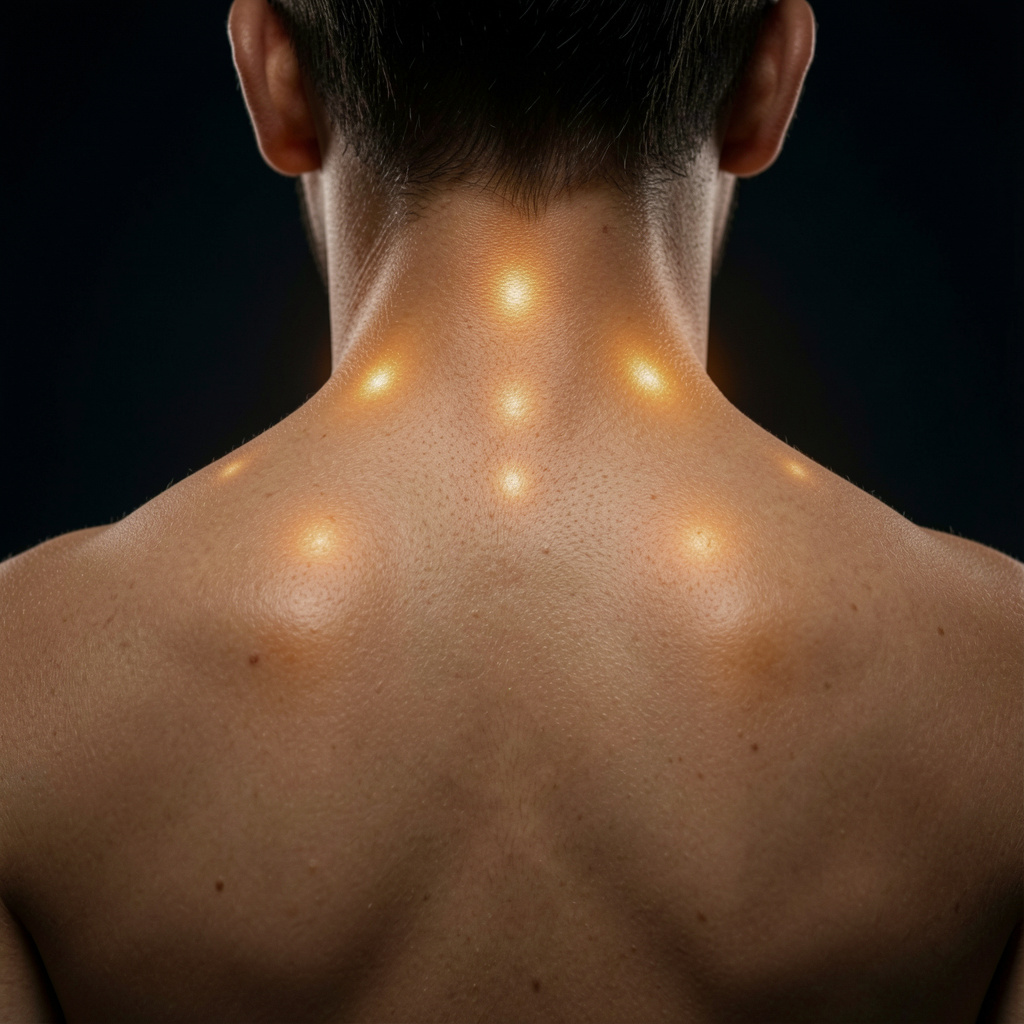
Also known as: Chronic Whiplash Pain, Central Sensitization Syndrome, Chronic Post-Accident Pain, Post-MVA Myofascial Pain About 20-25% of whiplash patients transition to chronic pain — a fact I mention not to alarm patients, but because early, appropriate care significantly reduces that risk. Chronic post-MVA pain often involves central sensitization: the nervous system itself becomes amplified, so signals that shouldn't hurt do, pain spreads beyond the originally injured area, and light touch can feel painful. This is real, measurable neurophysiology — not imagination, not exaggeration. Trigger points — taut, tender bands in muscle that refer pain in predictable patterns — are a consistent feature.
Widespread aching in the neck, back, and shoulders; persistent trigger point "knots"; allodynia (pain from normally non-painful stimuli like clothing); poor unrefreshing sleep; fatigue; brain fog; and flares triggered by stress or minor activities are the hallmarks. Many patients feel dismissed because their imaging is normal — but imaging doesn't measure central sensitization. The pain is real. Unresolved nociceptive input from inadequately treated tissue injury, combined with psychosocial stress, sleep disruption, fear of movement, and prolonged guarding, sensitizes central pain-processing circuits.
Early, active, multidisciplinary care — starting immediately after the crash — is the most effective prevention. We use a biopsychosocial model. Screening includes the Central Sensitization Inventory, Neck Disability Index, and Pain Catastrophizing Scale. Care includes pain neuroscience education, graded activity and graded exposure, gentle manual therapy, dry needling for trigger points, progressive aerobic exercise, sleep and stress management, and co-management with pain psychology for CBT or ACT.
Progress is measured functionally — return to work, driving tolerance, sleep quality — and documented carefully for your case. We may recommend: ART, myofascial release, dry needling, trigger point therapy, Graston/IASTM, Class IV laser, corrective exercise Seek immediate care if: You develop new neurologic symptoms, unexplained weight loss, fever, or severe escalating pain outside your usual pattern — chronic pain does not protect against new serious conditions, and these warrant prompt evaluation.
How We Can Help
At Gentle Care Chiropractic, we take a multi-disciplinary approach — addressing the root cause of your condition, not just the symptoms.
Chiropractic Adjustments
Precise spinal and joint corrections to restore alignment, relieve nerve pressure, and reduce pain — manual or instrument-assisted based on your needs.
Massage Therapy
Therapeutic massage releases muscle tension, improves circulation to injured tissue, and works synergistically with adjustments for faster recovery.
Physical Rehabilitation
Customized exercise programs strengthen supporting muscles, restore range of motion, and help prevent future flare-ups.
Laser Therapy
Cold laser therapy uses targeted light wavelengths to stimulate cellular healing, reduce inflammation, and relieve deep tissue pain without heat or discomfort.
Electrical Stimulation
E-stim therapy reduces pain and muscle spasm, improves circulation, and supports the healing process — especially effective for acute injuries.
Personalized Care Plan
Every patient is different. We combine these therapies in a plan tailored to your diagnosis, goals, and lifestyle for the best possible outcome.
Ready to Find Relief?
You don't have to live with Myofascial Pain Syndrome / Chronic Post-MVA Pain. Our team at Gentle Care Chiropractic is here to help you recover and get back to doing what you love.