

Shoulder Injury from Seatbelt / Steering Wheel / Bracing
Expert care for Shoulder Injury from Seatbelt / Steering Wheel / Bracing at Gentle Care Chiropractic in West Linn, Oregon.
Understanding Shoulder Injury from Seatbelt / Steering Wheel / Bracing
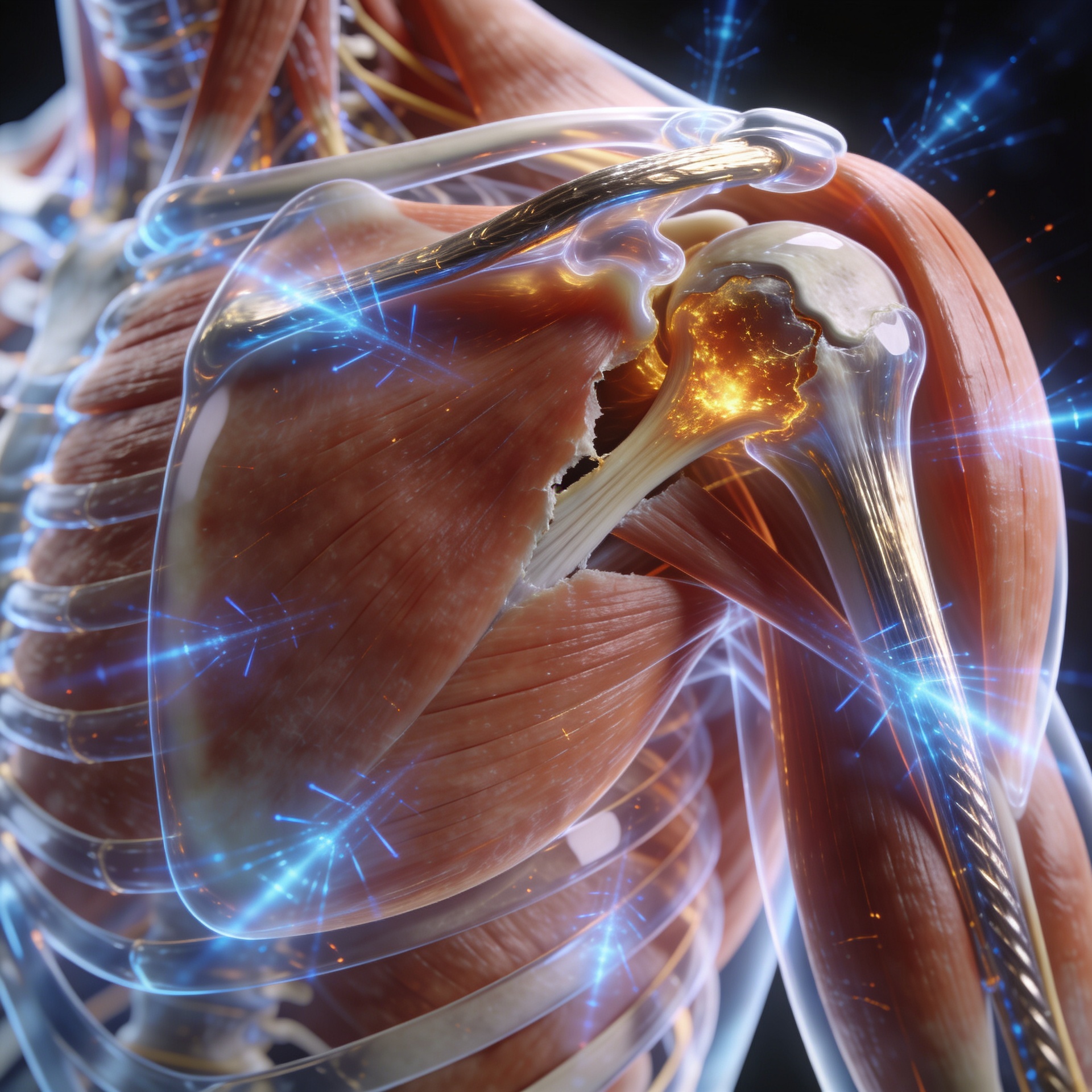
Also known as: Rotator Cuff Tear from Car Accident, SLAP Tear post-MVA, AC Joint Sprain, Post-Accident Shoulder Injury Shoulder injuries are common in MVAs but frequently underestimated while the neck and back dominate the early clinical picture. The shoulder is vulnerable because the seatbelt crosses it, the driver's hands brace on the steering wheel, and airbag deployment often catches an abducted arm. Common injuries include rotator cuff strains and tears, SLAP labral tears (tears of the cartilage rim at the top of the shoulder socket), AC joint sprains, and SC joint sprains. Many patients don't realize their shoulder is injured until one to three weeks after the crash, when neck pain eases and they begin reaching and lifting normally.
Lateral or anterior shoulder pain, pain lifting the arm in the "painful arc" between 60 and 120 degrees, weakness with reaching overhead or rotating outward, night pain, and catching or clicking with movement are characteristic. The seatbelt restrains the shoulder asymmetrically during impact; drivers brace against the steering wheel with outstretched arms, driving axial force through the humeral head; airbag deployment into an abducted arm forcefully external-rotates and extends the shoulder. After a thorough orthopedic exam and documentation, treatment includes scapular stabilization training, rotator cuff strengthening, glenohumeral and acromioclavicular joint mobilization, soft-tissue therapy, Graston/IASTM, postural correction, and Class IV laser or shockwave for tendinopathy. We refer for orthopedic consultation when exam suggests a full-thickness rotator cuff tear, unstable SLAP lesion, or significant AC separation — and continue conservative care alongside the surgical opinion.
Recovery typically ranges from six to sixteen weeks. We may recommend: diversified adjustments, Activator, ART, Graston/IASTM, Class IV laser, shockwave therapy, corrective exercise Seek immediate care if: You have obvious deformity, inability to move the arm at all, severe weakness, or numbness radiating into the hand — these may indicate fracture, dislocation, or nerve injury requiring urgent evaluation.
How We Can Help
At Gentle Care Chiropractic, we take a multi-disciplinary approach — addressing the root cause of your condition, not just the symptoms.
Chiropractic Adjustments
Precise spinal and joint corrections to restore alignment, relieve nerve pressure, and reduce pain — manual or instrument-assisted based on your needs.
Massage Therapy
Therapeutic massage releases muscle tension, improves circulation to injured tissue, and works synergistically with adjustments for faster recovery.
Physical Rehabilitation
Customized exercise programs strengthen supporting muscles, restore range of motion, and help prevent future flare-ups.
Laser Therapy
Cold laser therapy uses targeted light wavelengths to stimulate cellular healing, reduce inflammation, and relieve deep tissue pain without heat or discomfort.
Electrical Stimulation
E-stim therapy reduces pain and muscle spasm, improves circulation, and supports the healing process — especially effective for acute injuries.
Personalized Care Plan
Every patient is different. We combine these therapies in a plan tailored to your diagnosis, goals, and lifestyle for the best possible outcome.
Ready to Find Relief?
You don't have to live with Shoulder Injury from Seatbelt / Steering Wheel / Bracing. Our team at Gentle Care Chiropractic is here to help you recover and get back to doing what you love.