

Spinal Stenosis
Expert care for Spinal Stenosis at Gentle Care Chiropractic in West Linn, Oregon.
Understanding Spinal Stenosis
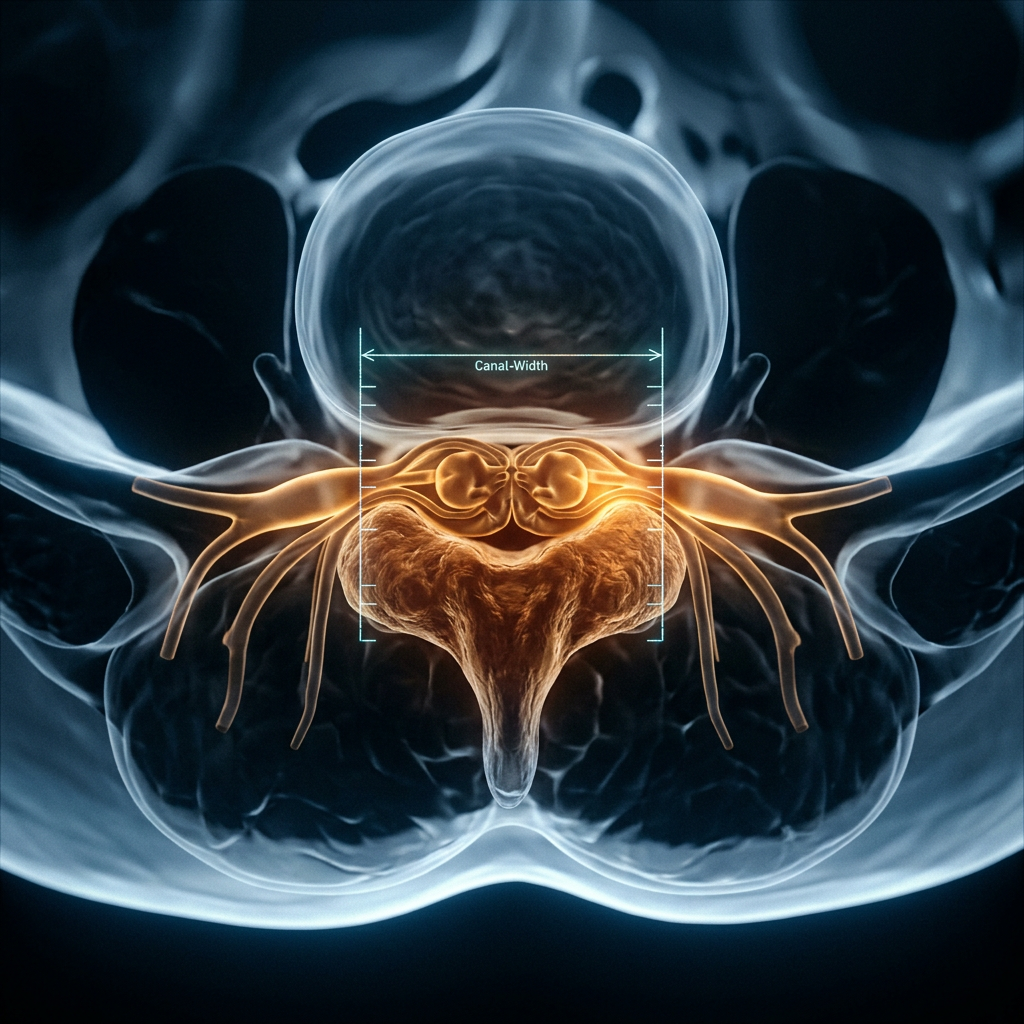
Also known as: Lumbar Stenosis, Cervical Stenosis, Neurogenic Claudication Spinal stenosis gets described to patients as "a narrowing of the spinal canal," which is accurate but doesn't quite convey the nuance. The spinal canal is the bony tube that houses your spinal cord and nerve roots. Over time — usually from age-related thickening of ligaments, bony spurs from arthritis, or facet joint hypertrophy — this canal can narrow enough to compress the nerve tissue inside it. For lumbar stenosis, the result is symptoms in the legs; for cervical stenosis, in the hands and legs.
What's encouraging: studies show that around 70% of patients with symptomatic stenosis can avoid surgery with a well-designed conservative plan. The classic pattern of lumbar stenosis is neurogenic claudication — leg aching, heaviness, or cramping after walking a certain distance, relieved by sitting down or leaning forward. Many patients describe leaning on a shopping cart at the grocery store as the only way to make it through the store. That leaning-forward posture opens the spinal canal slightly, which is why it provides relief.
Cervical stenosis tends to show up differently: hand clumsiness, difficulty with fine motor tasks like buttoning shirts, heavy legs, or balance problems. Symptoms creep in gradually over months to years. Age is the leading factor — most symptomatic stenosis presents after sixty. Facet joint arthritis, ligamentum flavum thickening (the ligament behind the spinal cord becomes thicker and stiffer with age), disc bulging, and spondylolisthesis all contribute.
Smoking accelerates degenerative change. Because the canal opens with flexion and closes with extension, we favor flexion-biased care. Cox flexion-distraction is our preferred adjusting technique for lumbar stenosis — it gently distracts and flexes the segment, creating space for the nerve tissue. We combine this with gentle mobilization above and below the stenotic level, hip flexibility work, and flexion-biased rehabilitation (stationary bike, seated rows, pelvic tilts) while avoiding extension-heavy loading.
Class IV laser and PEMF help calm inflamed nerve roots. Most patients notice improved walking tolerance within six to twelve weeks. We co-manage with orthopedics and pain management when symptoms progress or quality of life becomes severely limited. We may recommend: flexion-distraction/Cox, spinal decompression, Activator, McKenzie directional exercises, Class IV laser, corrective exercise, ergonomic coaching Seek immediate care if: You develop sudden severe weakness, loss of bowel or bladder control, saddle-region numbness, or rapidly progressing gait difficulty — these may signal myelopathy or cauda equina and need urgent evaluation.
How We Can Help
At Gentle Care Chiropractic, we take a multi-disciplinary approach — addressing the root cause of your condition, not just the symptoms.
Chiropractic Adjustments
Precise spinal and joint corrections to restore alignment, relieve nerve pressure, and reduce pain — manual or instrument-assisted based on your needs.
Massage Therapy
Therapeutic massage releases muscle tension, improves circulation to injured tissue, and works synergistically with adjustments for faster recovery.
Physical Rehabilitation
Customized exercise programs strengthen supporting muscles, restore range of motion, and help prevent future flare-ups.
Laser Therapy
Cold laser therapy uses targeted light wavelengths to stimulate cellular healing, reduce inflammation, and relieve deep tissue pain without heat or discomfort.
Electrical Stimulation
E-stim therapy reduces pain and muscle spasm, improves circulation, and supports the healing process — especially effective for acute injuries.
Personalized Care Plan
Every patient is different. We combine these therapies in a plan tailored to your diagnosis, goals, and lifestyle for the best possible outcome.
Ready to Find Relief?
You don't have to live with Spinal Stenosis. Our team at Gentle Care Chiropractic is here to help you recover and get back to doing what you love.