

Temporomandibular Joint Disorder (TMD) post-MVA
Expert care for Temporomandibular Joint Disorder (TMD) post-MVA at Gentle Care Chiropractic in West Linn, Oregon.
Understanding Temporomandibular Joint Disorder (TMD) post-MVA
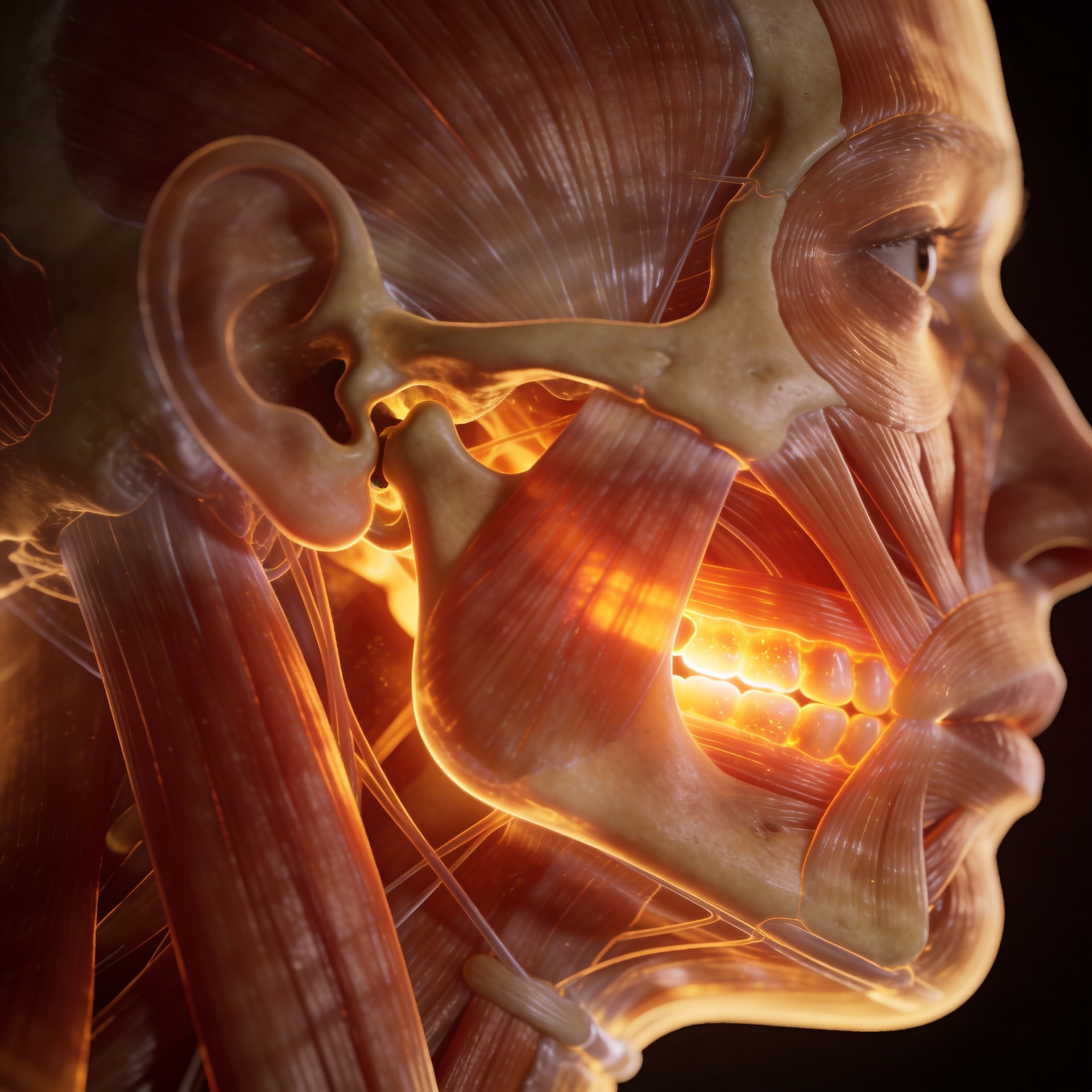
Also known as: TMJ, TMD, Jaw Injury After Car Accident, Post-Whiplash Jaw Pain, Post-Accident TMJ Post-MVA TMD is one of the most commonly missed diagnoses after a motor vehicle accident, often emerging one to three months after the crash — after the neck pain begins to settle and jaw symptoms take center stage. The jaw joint and the upper cervical spine share neurological territory and biomechanical influence; whiplash and TMD almost always travel together. Three MVA mechanisms drive post-accident TMD: direct impact (airbag to the face or jaw to the steering wheel), reflexive jaw clenching at the moment of impact, and whiplash load transmitting through the upper cervical spine into the TMJ. Many patients don't realize their jaw symptoms are crash-related.
Jaw pain, clicking or popping with opening and closing, a jaw that catches or deviates to one side, limited opening (less than about 40 mm — roughly three fingers), ear pain, headache around the temples, and nighttime grinding or clenching are common. Chewing tough foods, yawning, and long dental appointments often flare symptoms. Post-MVA TMD is best treated as a jaw-neck-posture complex. We use intra-oral and extra-oral soft-tissue therapy for the masseter, temporalis, and pterygoid muscles, specific TMJ mobilization, upper cervical manipulation, suboccipital release, and posture correction.
Care is typically eight to sixteen weeks and often longer for chronic cases. We co-manage with a TMJ-trained dentist for occlusal splint therapy. We document jaw opening, deviation, and pain carefully for your case. We may recommend: Activator, diversified adjustments, myofascial release, trigger point therapy, Class IV laser, low-level laser, corrective exercise Seek immediate care if: Your jaw locks open or closed, you cannot close your mouth, or you experience severe facial swelling, numbness, or fever — these require urgent dental, oral surgery, or ER evaluation.
How We Can Help
At Gentle Care Chiropractic, we take a multi-disciplinary approach — addressing the root cause of your condition, not just the symptoms.
Chiropractic Adjustments
Precise spinal and joint corrections to restore alignment, relieve nerve pressure, and reduce pain — manual or instrument-assisted based on your needs.
Massage Therapy
Therapeutic massage releases muscle tension, improves circulation to injured tissue, and works synergistically with adjustments for faster recovery.
Physical Rehabilitation
Customized exercise programs strengthen supporting muscles, restore range of motion, and help prevent future flare-ups.
Laser Therapy
Cold laser therapy uses targeted light wavelengths to stimulate cellular healing, reduce inflammation, and relieve deep tissue pain without heat or discomfort.
Electrical Stimulation
E-stim therapy reduces pain and muscle spasm, improves circulation, and supports the healing process — especially effective for acute injuries.
Personalized Care Plan
Every patient is different. We combine these therapies in a plan tailored to your diagnosis, goals, and lifestyle for the best possible outcome.
Ready to Find Relief?
You don't have to live with Temporomandibular Joint Disorder (TMD) post-MVA. Our team at Gentle Care Chiropractic is here to help you recover and get back to doing what you love.